


If you’ve been searching for Divine Servants in Fate/Grand Order, you’ve probably run into two problems. First, the term gets used loosely — sometimes it means a full Divine Spirit, sometimes it just refers to the “Divine” trait on a Servant’s profile. Second, these characters show up in specific story chapters, and if you haven’t reached those chapters yet, you won’t encounter them at all.
This article breaks down what Divine Spirits actually are in FGO, why they can’t be summoned the normal way, how the game gets around that rule, and exactly where they show up in the story. It also covers what the “Divine” trait means in practice, since that affects your gameplay even if you don’t care much about the lore.
What a Divine Spirit Is in FGO (and Why It Matters)
In the Nasuverse — the shared setting behind Fate/Grand Order — Divine Spirits are gods and high-tier nature spirits. They sit above Heroic Spirits on the spiritual hierarchy.
Heroic Spirits are humans (or human-adjacent beings) whose deeds were recorded on the Throne of Heroes. When you summon a standard Servant, you’re pulling one of those records into a body — a Saint Graph. Think of the Saint Graph as the blueprint that defines a Servant’s spiritual form and abilities.
The problem with Divine Spirits is that a standard Saint Graph is simply too small to hold one. A god’s full existence — their power, their conceptual weight, their connection to the world — doesn’t fit inside the container that works fine for a heroic human figure. As widely accepted lore logic puts it, a Servant’s Saint Graph is “too small” to contain all that a Divine Spirit is. This isn’t a minor edge case. It’s a core rule in how FGO treats gods versus Servants.
How FGO Gets Around the Rule — Fragments, Vessels, and Pseudo-Servants
So how does Ishtar exist as a playable Archer? Or Ereshkigal as a Lancer? The answer is that what you’re summoning is not the full god.
FGO uses a mechanism called spiritual invocation. Instead of pulling a complete entity from the Throne of Heroes, the summoning opens a connection to the Divine Spirit and channels a limited version of it into a human vessel. The host body acts as a container that’s just large enough to hold a fragment of the god’s power and personality.
This creates what’s called a Pseudo-Servant — a Divine Spirit (or sometimes a Heroic Spirit) that possesses an existing human body to manifest within a Servant’s Saint Graph. The god’s personality and power overlay the host’s identity, though traces of both can show through.
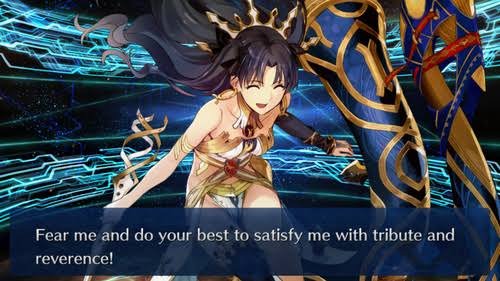
The clearest examples in FGO are Ishtar and Ereshkigal, both of whom use Rin Tohsaka as their vessel in the Babylonia chapter. That’s why they share Rin’s face — she’s the physical container. Quetzalcoatl works similarly, manifesting as a Servant through a human form rather than descending as a full divine being.
A simple way to think about it: normal Servant summoning is like downloading a complete archived file from the Throne of Heroes. Spiritual invocation of a Divine Spirit is more like streaming a limited interface from a live server — you’re getting a working version of something much larger, not the whole thing.
It’s worth noting that Nasu has adjusted these rules over roughly two decades of writing in this setting. FGO relies on special cases and loopholes rather than breaking its own lore outright. The current, widely accepted understanding is that Divine Spirits in FGO are possessing vessels, not being summoned whole — and that distinction matters for understanding why they can exist as playable units at all.
Where Divine Spirits Actually Appear in the Story
If you want to know where to find Divine Spirit-linked Servants in the actual game, the answer depends on whether you’re looking for story encounters or playable units.
Babylonia — The Main Hub
Babylonia (Part 1, Seventh Singularity) is by far the densest chapter for Divine Spirit encounters. This is where FGO commits fully to the pseudo-Servant concept on a major story scale.
- Ishtar appears as both an obstacle and an ally, using Rin Tohsaka as her vessel.
- Ereshkigal plays a central role in the chapter’s second half, also manifesting through Rin.
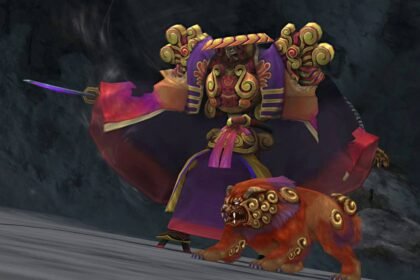
- Quetzalcoatl enters as a story boss before becoming a temporary ally.
- Gorgon (a corrupted Medusa with divine connections) serves as a major antagonist.
If you’re asking “where do I fight or interact with Divine Servants for the first time” — Babylonia is your answer. You need to clear Part 1 chapters 1 through 6 before reaching it.
Olympus (Lostbelt 5)
Olympus, part of the fifth Lostbelt in Part 2, features Greek gods operating with genuine divine authority. These aren’t pseudo-Servants in the Babylonia mold — they’re divine beings functioning in a world where gods never retreated. It’s a different framing, but this chapter is one of the heaviest in terms of characters with divine power and status.
Lostbelt 6
The sixth Lostbelt weaves divine figures into its setting as well. The specifics differ from Babylonia’s pseudo-Servant approach, but players who want more story content involving beings with divine nature will find it here. Avoiding spoilers, it handles the concept in its own way.
Events
Summer events and other limited events periodically feature pseudo-Servants or Servants with divine traits in more relaxed, non-canon settings. These are usually lighter in tone but can include characters who carry the Divine trait or fit the pseudo-Servant category.
The “Divine” Trait — What It Actually Means in Gameplay
Separate from the lore, FGO uses a Divine trait as a gameplay tag. Many Divine Spirit-linked Servants carry it, but so do some Heroic Spirits who have divine ancestry or received divine blessings. The two things — lore definition and gameplay tag — overlap but aren’t identical.
In practical terms, the Divine trait matters because:
- Certain skills and Noble Phantasms deal bonus damage to Divine trait enemies.
- Some support skills and buffs interact specifically with Divine trait Servants.
- Enemy Divine Spirit characters in story chapters often have the trait, making anti-Divine tools useful.
So even if you’re not deep into the lore, knowing whether a Servant or enemy has the Divine trait is worth checking before you build a team for a difficult node.
It’s also worth being clear: not every Servant with the Divine trait is a true Divine Spirit in the lore sense. Some Heroic Spirits carry divine blood or received divine gifts without being gods themselves. Don’t assume “Divine trait” always equals “god” — it’s a useful tag, but it’s not a perfect one-to-one match with the lore category.
Getting Them as Playable Servants
Story encounters are one thing. Actually owning Ishtar, Ereshkigal, or Quetzalcoatl as playable Servants is a separate question.
These characters are typically limited Servants, meaning they appear on special timed banners rather than the permanent summoning pool. Banner schedules change, and availability varies between the Japanese and global versions of the game. Check current event announcements for the most accurate information — don’t rely on old guides for banner timing.
For players who want practical resources on team building and game strategy, sites like Bizblinks cover gaming topics in a straightforward, no-filler format worth bookmarking.
In terms of classes, Divine Spirit-linked Servants appear across multiple class slots — Archer (Ishtar), Lancer (Ereshkigal), Rider (Quetzalcoatl) — rather than a dedicated “Divine Spirit” class. There is no class specifically for them in the game’s current structure.
The Short Version
Divine Spirits in FGO are gods too large to fit inside a standard Servant Saint Graph. The game works around this through spiritual invocation and Pseudo-Servants — limited fragments of the divine being, channeled into a human vessel. You’re never summoning the full god, just a contained version of it.
For story appearances, Babylonia is the primary location. Olympus and Lostbelt 6 add more later. As playable units, these Servants appear on limited banners rather than the permanent pool.
The “Divine” gameplay trait overlaps with this lore category but isn’t a perfect match — it’s useful for team-building purposes regardless of how deep you go into the lore. Keep both uses in mind and you’ll have a clearer picture of how Divine Servants actually work in FGO.
Read Also: